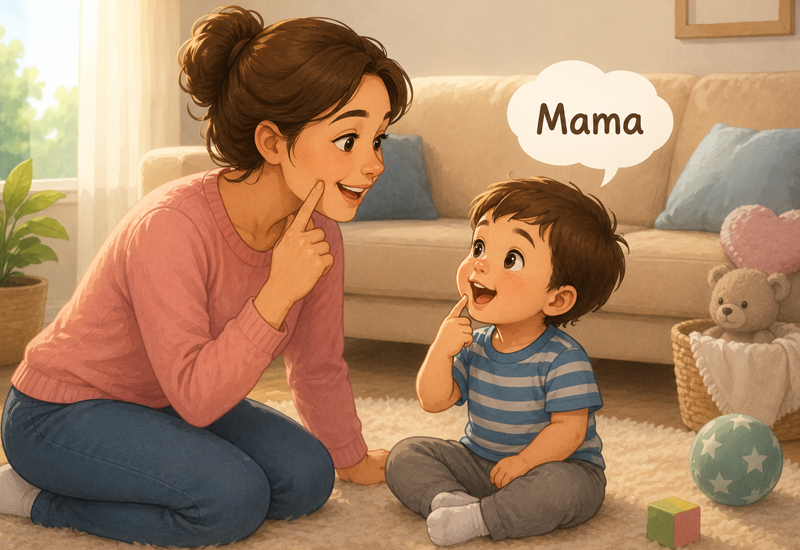
Every parent eagerly awaits their child’s first words—that magical moment when a tiny voice says “mama” or “dada.” But for many families, that milestone arrives later than expected, bringing worry and uncertainty. If your child isn’t talking as much as their peers, you may feel confused or alone in your concerns.
The truth is, childhood speech delays are more common than many people realize. According to the American Speech-Language-Hearing Association, approximately 5-10% of children experience some form of speech or language delay. While this statistic offers some reassurance that you’re not alone, it doesn’t erase the natural worry parents feel when their child isn’t meeting typical developmental milestones.
This is where a well-crafted children’s book about speech delay can make a profound difference. Hendrix Finds His Voice by Dr. Kathy L. McMillan-Bennon offers exactly that—a heartwarming, real-life story that validates a child’s experience, educates families, and offers hope that progress is possible with patience, love, and support.
In this blog, we’ll explore how storytelling helps families navigate speech delays, share Hendrix’s inspiring journey, and provide practical strategies to support your child’s communication development every step of the way.
Understanding Speech Delay Through a Child’s Story
Every Child Develops at Their Own Pace
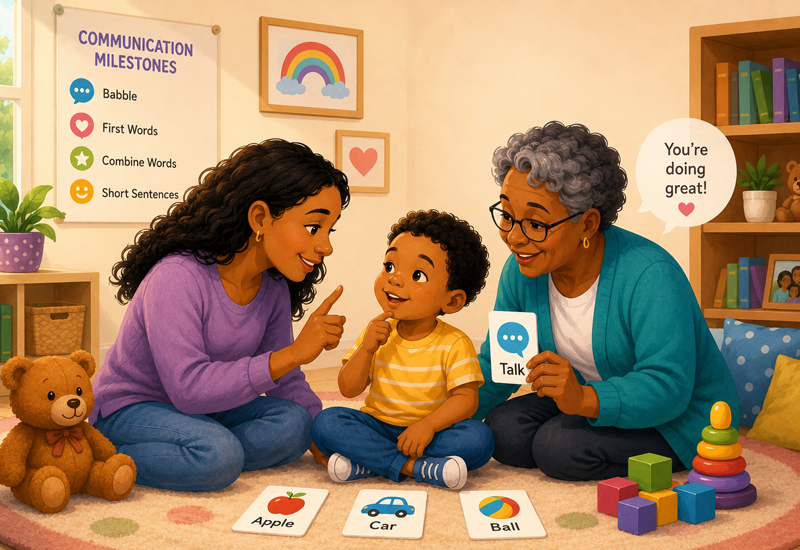
One of the most important things to understand about childhood development is that there is a wide range of “normal.” While developmental milestones provide helpful benchmarks, they are not rigid deadlines. Some children begin speaking in full sentences by age two, while others may not start talking until age three or four. Both paths can lead to healthy, articulate, and confident communicators. The pediatric community generally recognizes these speech milestones:
- By 12 months:Babbling, using gestures, and responding to their name
- By 18 months:Using 5-20 words and following simple directions
- By 24 months:Using 50+ words and beginning to combine two words
- By 36 months:Using sentences of 3-4 words and being understood by familiar adults
However, these are averages, not absolutes. When a child falls behind these expectations, it doesn’t necessarily mean something is wrong. It simply means they may need additional support—and that’s perfectly okay.
The Early Signs of Delayed Speech Development
Recognizing the signs of a potential speech delay early allows parents to seek support sooner, which often leads to better outcomes. Some common indicators include:
- Limited babbling during the first year
- Lack of gestures like pointing or waving by 12 months
- Difficulty imitating sounds or words
- Using only a few sounds to communicate
- Being understood less than 50% of the time by age two
- Frustration when trying to communicate needs
- Regression—losing previously acquired language skills
If you notice these signs, it’s natural to feel concerned. But remember, early intervention is highly effective, and many children catch up to their peers with the right support. This is where both professional guidance and resources like a children’s book about speech delay can be invaluable.
A Heartwarming Story of Hendrix Finding His Voice
One of the most beautiful examples of a child’s journey with speech delay comes from the real-life story of Hendrix, as told by his grandmother, Dr. Kathy L. McMillan-Bennon, in her touching book, Hendrix Finds His Voice.
Meet Hendrix: A Happy Child with a Unique Journey
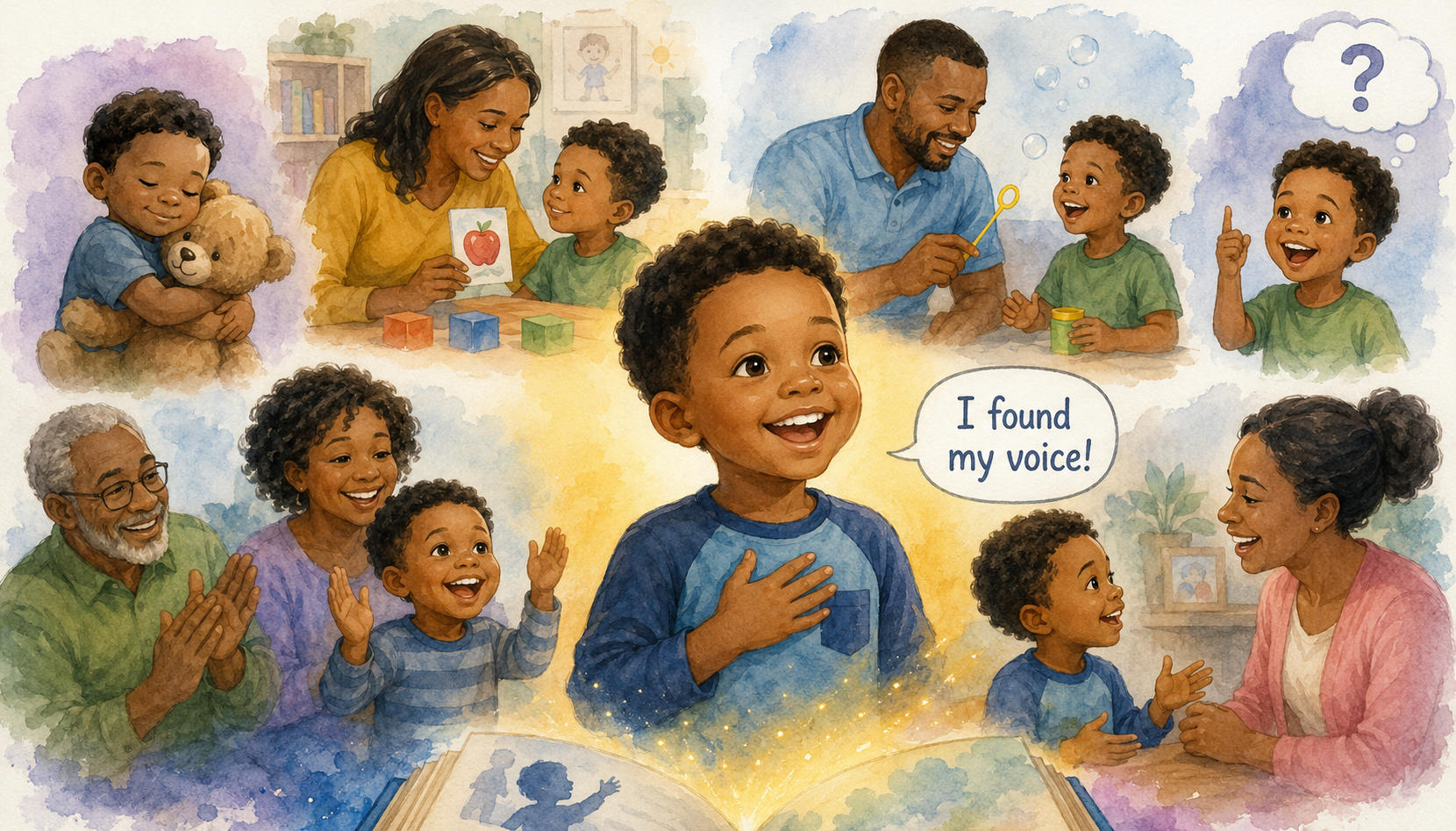
Hendrix is a joyful boy with “curious eyes and a smile that could light up a whole room.” He adores time with MiMi, Mommy, Grandpa, and aunts Tee Tee and La La—reading, laughing, and playing together. Despite his happiness and intelligence, Hendrix wasn’t following typical speech milestones. His story normalizes having a loving child who simply isn’t talking yet.
When Hendrix’s Family Noticed He Was Not Talking
While other babies babbled and cooed, Hendrix smiled, hugged, and gave kisses but remained largely nonverbal. His MiMi and Grandpa wondered: “Was something wrong with his ears? Why wasn’t he making sounds?” This relatable moment captures every parent’s first worry. Yet MiMi’s love never wavered—she “believed something wonderful was growing inside her precious angel.”
The Family Took Proactive Steps
Hendrix’s family scheduled doctor appointments to understand why he wasn’t talking. The professionals confirmed he was healthy and strong but needed extra help learning to speak. This diagnosis offered clarity rather than despair—a direction forward. With this guidance, the family embraced the journey ahead, knowing that with love and support, Hendrix would eventually find his voice.
How Family Support Helps Children with Speech Delay
Creating a Safe and Encouraging Environment
One of the most powerful messages in Hendrix Finds His Voice is how family support shapes a child’s journey. When children feel safe, loved, and accepted exactly as they are, they are more willing to take risks—including the risk of attempting new sounds and words. Creating such an environment involves:
- Avoiding pressure or comparison to other children
- Celebrating all forms of communication (gestures, sounds, facial expressions)
- Responding positively to any attempts at communication
- Using encouraging language and plenty of praise
The book’s depiction of Hendrix’s family shows how consistent love and acceptance create the emotional safety children need to develop at their own pace.
The Role of Parents and Grandparents
The extended family plays a crucial role in Hendrix’s journey. Each family member contributes uniquely:
- MiMi(grandmother) reads stories, sings songs, and provides unwavering belief in Hendrix’s potential
- Mommycheers for every sound Hendrix makes, helping him “feel brave enough to keep trying”
- Grandpareminds Hendrix that he is “strong, smart, and full of wonderful possibilities”
- Aunts Tee Tee and La Laengage in playful reading and laughter that stimulates language development
This demonstrates that the responsibility for supporting a child’s communication isn’t limited to parents—it’s a community effort. Grandparents, aunts, uncles, and close family friends can all contribute to a rich language environment.
Celebrating Every Small Step Forward
One of the most important lessons from Hendrix’s story is the power of celebrating small victories. In the book, we see that “sometimes progress felt slow, but love and patience filled their hearts.” This is a critical mindset shift for parents.
Instead of focusing on how far there is to go, celebrating small steps—a new sound, a new word, a moment of babbling—keeps parents and children motivated. These celebrations reinforce the child’s efforts and remind parents that progress is happening, even when it feels gradual.
This is precisely why a well-written children’s book about speech delay can be so helpful. It reminds parents to appreciate the small moments and stay patient with the process.
Supporting Early Communication Skills at Home
Encourage Talking Through Daily Activities
One of the most effective ways to support speech development is to incorporate language into everyday routines. When parents narrate their actions, they expose children to vocabulary in context. Practical strategies include:
- Narrate your day:Describe what you’re doing while cooking, cleaning, or walking
- Ask questions:Even if your child doesn’t answer verbally, asking questions encourages engagement
- Expand their attempts:If your child says “ba,” you might respond with “Yes, that’s a ball!”
- Avoid “testing” language:Instead of “What’s this?” (which can feel like pressure), simply name objects as you encounter them
By making language an organic part of daily life, parents reduce pressure while increasing exposure.
Use Books, Songs, and Games to Build Language Skills
Stories like Hendrix Finds His Voice aren’t just entertaining—they’re therapeutic tools that engage children’s interest while promoting language development. The book itself shows Hendrix and his aunts “turning pages, discovering new stories, and letting their imaginations grow.” Recommended approaches include:
- Reading together daily:Even if your child doesn’t participate verbally, hearing language is valuable
- Singing:Songs with repetitive lyrics help children anticipate and eventually join in
- Interactive games:Peek-a-boo, pat-a-cake, and other games build engagement and social communication
When searching for speech delay books for toddlers, look for stories with simple, repetitive language and vibrant illustrations that hold a child’s attention.
Work with Speech Therapists for Extra Support
Seeking professional help is a sign of strength, not failure. In Hendrix’s story, therapists began working with him at home, playing learning games and helping him “grow stronger every day.” What to expect from speech therapy:
- An evaluation to identify specific strengths and challenges
- Individualized goals and activities tailored to your child
- Strategies you can practice at home between sessions
- Regular progress monitoring and goal adjustment
The combination of professional support and family reinforcement often yields the best outcomes. Therapists provide expertise, while families provide the consistent, loving environment where that expertise is put into practice.
The Emotional Journey Behind Speech Development
Patience and Love During Difficult Moments
The emotional journey of speech delay touches everyone. Parents experience frustration, worry, or guilt, while children may feel frustration at not being understood. Hendrix’s story acknowledges these challenges gently. MiMi’s heart was “filled with questions,” yet “her love for Hendrix never changed.” Love and worry can coexist. Acknowledging feelings, seeking support, and remembering your child’s worth beyond words help navigate this path.
Building Confidence in Children Who Communicate Differently
Books that help children talk can build confidence by showing characters like them succeeding. Seeing a character who is happy, loved, and eventually successful gives children a powerful sense of possibility. This is one reason why Hendrix Finds His Voice is so powerful—it provides a model of success that children can believe in.
Helping Children Believe in Their Own Voice
The title reflects a profound truth: every child has a voice, and every voice matters. Whether emerging at two or five, that voice is real and valuable. Celebrate your child’s unique communication style, respond enthusiastically to their attempts, and remind them that their thoughts matter. Stories showing other children finding their voices reinforce this powerful belief.
When Hendrix Finally Found His Voice
Small Words Became Meaningful Conversations
After “many days, weeks, and months of practice,” Hendrix’s breakthrough came gradually. “First came two words. Then three words. Then four-word sentences.” By age five, he was speaking in complete sentences. This steady accumulation of skills reflects what many parents experience—not an explosion, but gradual progress that eventually leads to something truly miraculous.
Growing Confidence Through Communication
Once Hendrix found his voice, he asked questions, shared thoughts, and expressed his needs daily. The child who once communicated through smiles and hugs became a verbal, confident communicator. Yet Hendrix remained the same joyful boy he had always been. His voice didn’t change who he was—it simply added a beautiful new dimension to how he connected with the world.
Every Child’s Voice Deserves to Be Heard
The book concludes powerfully: “Now Hendrix talks, laughs, and shares his thoughts every day. His voice is strong, and the world is listening.” This affirms every child’s worth. Whether talking or not, every child has a voice that matters. With love, support, and the right interventions, every child can learn to share their voice with the world.
A Note to Parents from Dr. Kathy L. McMillan-Bennon
At the end of Hendrix Finds His Voice, the author includes a heartfelt message to parents: ‘Every child grows and learns in their own time, each on a unique and meaningful journey…’ This message captures the heart of the book’s purpose. It’s not just a children’s story—it’s a speech delay guide for new parents, reassuring them that their child’s journey is valid, their worries are understood, and love makes all the difference. Dr. Kathy L. McMillan-Bennon offers these suggestions for parents:
- Talk, read, and sing together daily
- Celebrate every small victory
- Create consistent and comforting routines
- Encourage play, curiosity, and imagination
- Trust your instincts—you know your child best
Choosing the Right Book on Speech Delay
When looking for the best book on children speech delay, consider what your family needs most. Hendrix Finds His Voice is particularly valuable because it:
- Addresses speech delay with honesty and hope
- Shows loving extended family support
- Normalizes professional intervention
- Provides practical guidance for parents
- Celebrates diversity in family experiences
The book also serves as an excellent entry point for conversations with young children about developmental differences, making it a versatile resource for families.
Conclusion
If you’re reading this guide, you’re likely a parent who cares deeply about your child’s development. You’ve noticed something different, and you’re seeking understanding and solutions. Please know: you are doing exactly the right thing.
Speech delays can be challenging, but they are not insurmountable. With love, patience, professional support, and the right resources—including a meaningful children’s book about speech delay like Hendrix Finds His Voice by Dr. Kathy L. McMillan-Bennon—children can and do find their voices.
Hendrix’s story reminds us that the journey might be slow, but it is always worthwhile. Every sound, every word, every sentence is a victory. And when your child’s voice finally emerges, strong and confident, you’ll know that every moment of patience was worth it.
Your child’s voice matters. It deserves to be heard. And with your support, they will find it. Whether you’re looking for professional resources or story books for late talking children, this book offers both entertainment and therapeutic value.
Frequently Asked Questions
Can a children’s book about speech delay really help my child?
Yes! Books like Hendrix Finds His Voice help children see characters like themselves, reduce feelings of being different, and build confidence. They also give parents language to discuss speech development positively.
How can I support my child’s speech development at home?
You can support speech development by narrating daily activities, reading together, singing songs, playing interactive games, and responding enthusiastically to all communication attempts. Avoid pressuring your child to speak and instead celebrate every small effort they make.
When should I seek professional help for my child’s speech delay?
Seek professional help as soon as you notice signs of delay or feel concerned. Early intervention is highly effective. Start by talking to your pediatrician, who may refer you to a speech-language pathologist for a comprehensive evaluation and personalized therapy plan.